Guides / Logistics
Loading frozen shrimp into a reefer: how to hold minus 18 degrees from the plant to the port
November 1, 2026
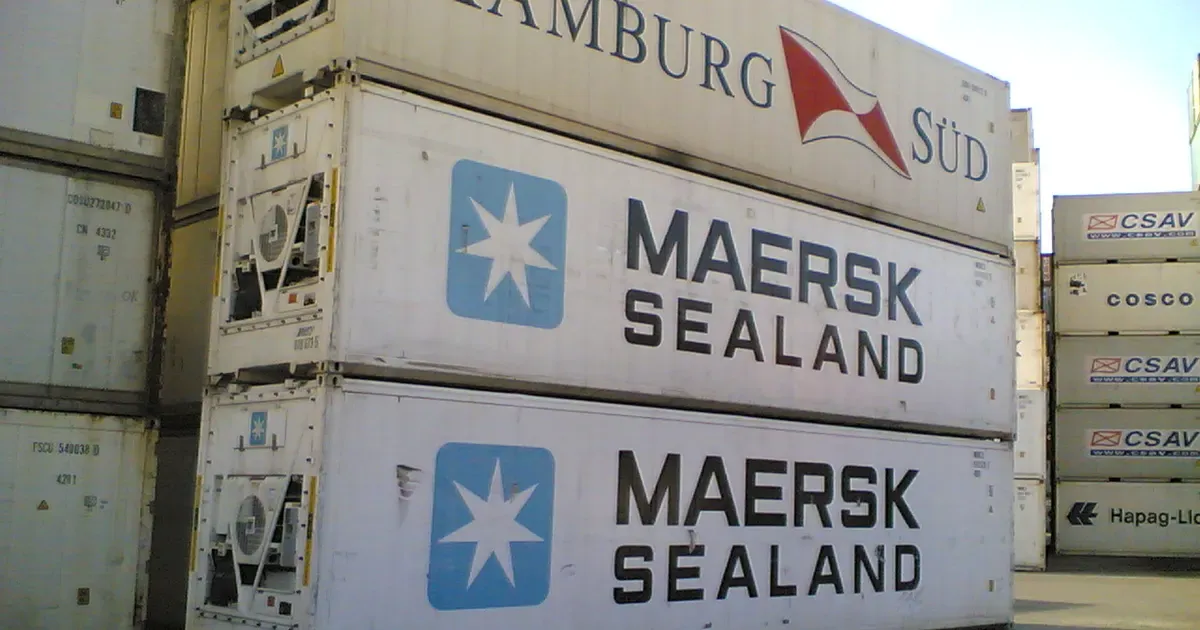
A reefer container holds the temperature of the cargo it receives, so frozen shrimp have to be at minus 18 degrees Celsius or colder in the core when they enter the box. The unit cannot freeze them down. Most temperature damage on frozen shrimp comes from the minutes on the dock, from a blocked air path or from a wrong set point, and not from the voyage. This guide follows the temperature from the cold store to the port, with the limits that come from Codex and the loading rules that carriers publish.
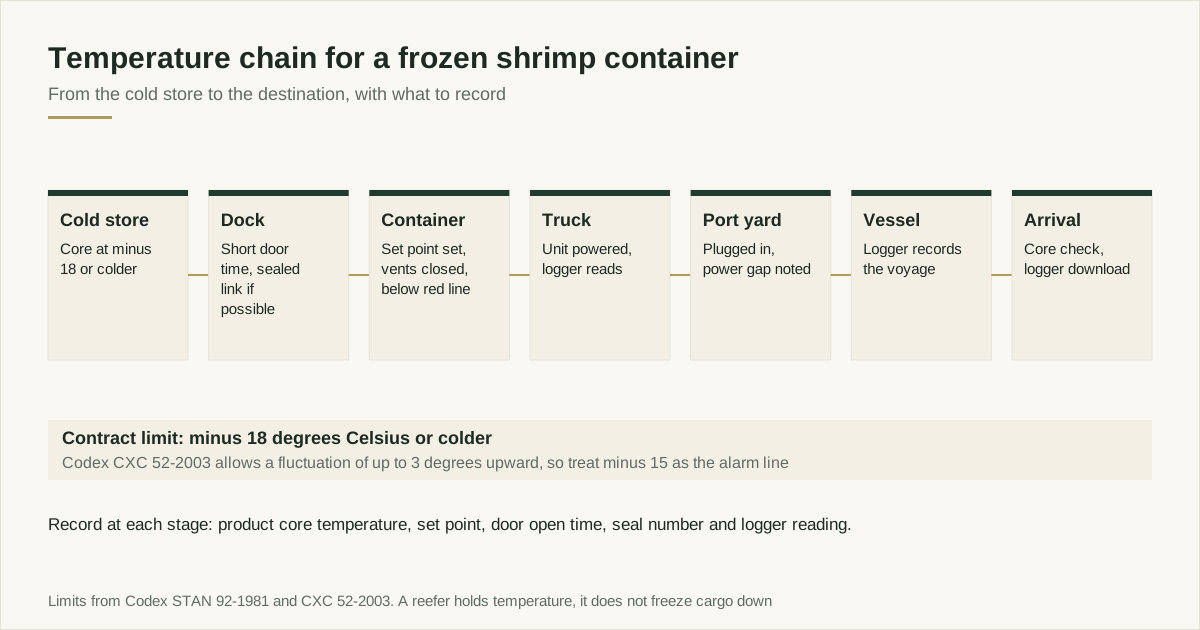
The limits to write down
Two Codex texts set the numbers. The standard for quick frozen shrimps, Codex STAN 92, says the freezing process is complete only when the product reaches minus 18 degrees Celsius or colder at the thermal centre, and that the product must stay deep frozen through transport, storage and distribution. The Code of Practice for Fish and Fishery Products, CXC 52-2003, section 21, says frozen products should be maintained at minus 18 degrees Celsius or below, with a maximum fluctuation of plus 3 degrees. Read together, minus 15 degrees is the warmest reading the Code tolerates, and only as a short fluctuation. Write minus 18 as the contract limit and treat minus 15 as the alarm line.
The same section of the Code gives the technical guidance for loading:
- Check product temperature before loading.
- Avoid unnecessary exposure to elevated temperatures during loading and unloading.
- Load so that air can flow between the product and the wall, floor and roof panels. Load stabilizer devices are recommended.
- Monitor air temperature inside the cargo hold during transport, and use a recording thermometer.
- Check beforehand that the cargo hold is clean and suitable.
The temperature chain, stage by stage
| Stage | Target | What to record |
|---|---|---|
| Cold store before dispatch | Core at minus 18 or colder | Core temperature of sample cartons, with the lot code |
| Loading dock | No more time out of cold than needed | Door open time, product temperature at the container door |
| Container during loading | Unit running at the contract set point | Set point, return air temperature, seal number |
| Truck to port | Unit powered, not left to drift | Logger reading at the port gate |
| Port yard | Unit plugged into power | Time the unit was without power |
| Vessel | Contract set point | Logger download at discharge |
| Destination | Product held at minus 18 | Core temperature of sample cartons on arrival |
A recording thermometer in the container makes the last column possible. Without it, a temperature claim becomes an argument about memory. Put one logger in a carton near the door, where warming shows first, and ask the plant for a second one in the middle of the load.
Before the container is loaded
Container. Check that the box is clean, free of odor, with dry floor drains and intact door seals. Check that the T-floor channels in the floor are free of debris, since cold air runs along them. Ask the carrier to confirm that the empty reefer passed its pre-trip inspection, and that the unit runs.
Set point and vents. Make the set point on the booking equal to the temperature in your contract. For frozen cargo, the MSC checklist says that ventilation must always remain closed and humidity off. Check the settings on the bill of lading draft.
Pre-cooling. Guidance differs here, so ask your carrier. The FAO manual on freezing and cold storage advises pre-cooling the vehicle or container and loading quickly. SM Line asks shippers not to pre-cool the empty container, because warm outside air entering an open cold box frosts the evaporator coil, and to stuff cargo that is already at the requested temperature. The point they share is that the shrimp, not the box, must be cold.
Cartons. The FAO manual notes that a pack warms faster the smaller it is, and that a master carton slows the rise. Shrimp in retail bags inside master cartons have more protection on the dock than loose bags. Fish at the edges and corners of a load warm first, and in its test with an uninsulated container the rise sat almost entirely in the outer 300 mm layer of the load.
Loading the box
- Prepare the dock. The FAO manual says palletized loading and a sealed connection between the cold store and the vehicle both limit the temperature rise.
- Load fast. Every minute with the doors open warms the load. Stage the cartons so the container is filled in one continuous run.
- Stow as a block. The MSC checklist for frozen cargo says that the cargo should form a solid block with no spaces between the boxes and the walls, so that air circulates properly. Codex asks for airflow between the product and the walls, floor and roof. Both mean that air must pass along the T-floor and over the top, not through loose gaps in the stow.
- Stay below the red load line. Carriers mark a line on the wall and say cargo must not rise above it. SM Line puts it 10 to 15 cm below the roof and also asks for 30 cm between the cargo and the door so cooling air can circulate. One logistics provider adds: do not load past the T-floor and keep the return air path and baffle plate clear.
- Do not mix cargo. SM Line prohibits stuffing different kinds of cargo in one container.
- Photograph the load. Take photos of the stow before the doors close, the logger in its carton, the seal and the set point display.
- Close and seal. Record the seal number against the container number.
A short word on airflow for frozen goods. A trade guide from a logistics provider explains that chilled produce needs air through the cargo, while frozen cargo needs air around it. That is why a frozen load is stowed tight and low.
Ready to price this spec? Get matched with a shrimp supplier
Trucking and the port
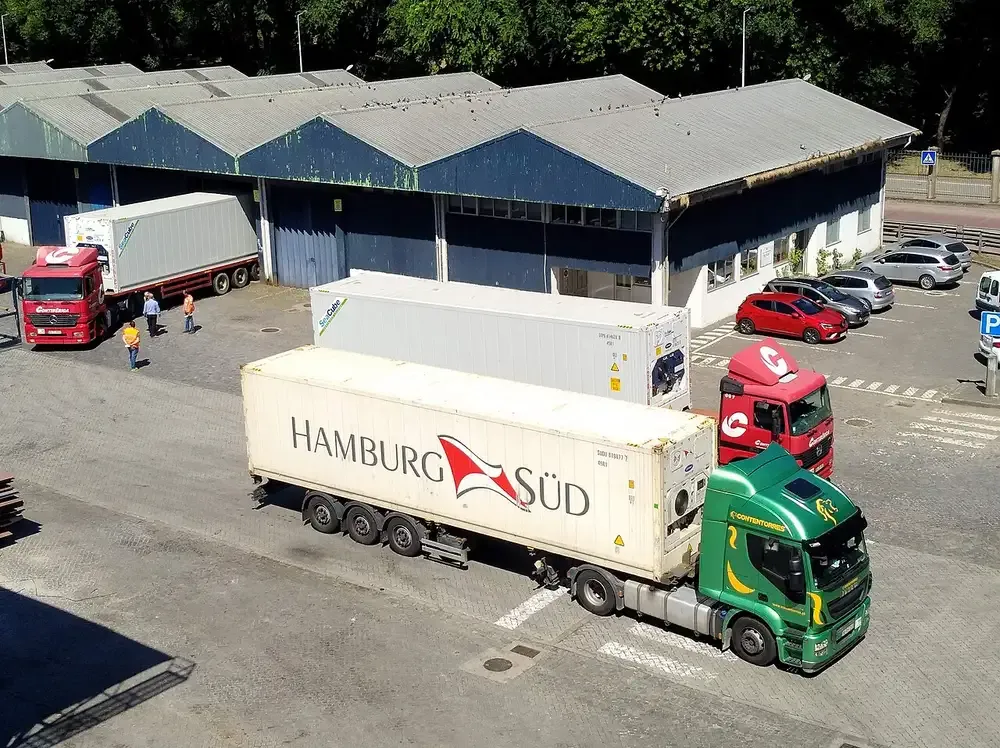
The truck leg needs attention because the unit needs power while it travels and while it waits. One provider advises considering a generator for the road leg to and from the port. At the terminal, the container has to be plugged in. Ask your forwarder for the gate-in time, the plug-in time and the logger reading at the gate. A gap between the truck leg and the plug-in shows up later as a warm spot in the log.
Transshipment adds a second plug-in and a second handling. Ask the carrier whether the routing includes a hub and what the contingency is if the hub is congested.
On arrival
Read the logger before the doors open if the receiver allows it, then measure the core temperature of sample cartons and photograph any frost, clumping or thawed liquid. Compare with the plant’s records from the loading day. Our guide to frozen shrimp quality defects shows how to turn dehydration and soft product into a written claim, and the guide on shrimp pre-shipment inspection shows what to record at the plant before the container leaves. Glaze that melts and refreezes also changes weight, so read our guide to glaze, net weight and yield before you set the claim limit.
When the temperature goes wrong
- Product above minus 15 at the door. Stop loading. Return the cartons to the cold store or agree a written decision with the processor on the spot.
- Set point wrong on the unit. Correct it before departure and photograph the display. Ask for the carrier’s written confirmation.
- Logger alarm in transit. Tell the carrier at once and ask for the unit’s data download.
- Frost and clumping on arrival. Open the logger file first, then the carton records. The cause could be a warm spell, a power gap or a load that was warm when it went in.
What to write in the request
- Carriage temperature of minus 18 degrees Celsius or colder, as the set point.
- Product core temperature limit at loading and who measures it.
- Vents closed and humidity off for the frozen load.
- A data logger in the load, with the download shared with the buyer.
- Stowage rules: below the red load line, T-floor clear and one product per container.
- Loading photos and the seal number sent to the buyer before the vessel sails.
- Maximum door open time, agreed with the plant and the forwarder.
- A claim window and the evidence needed for a temperature claim.
Next step
Put the temperature chain above into your request, with the logger and photo rules, so the plant can say yes or no before you place the order. Send your spec through the request form and we match you with up to 3 Vietnam processors. They reply within 24 business hours, and you can compare how each one handles dock time, loggers and loading photos.
Sources
- Codex Alimentarius, CODEX STAN 92-1981, Standard for quick frozen shrimps or prawns
- FAO and WHO, Code of Practice for Fish and Fishery Products, CXC 52-2003, 2020 edition (PDF copy), section 21 Transportation
- FAO, Freezing and refrigerated storage in fisheries, chapter 14, Transporting of frozen fish
- MSC, Reefer Cargo Solutions brochure, pre-shipping checklist for frozen cargo
- SM Line, reefer cargo stuffing guidance
- BWS, proper loading of reefer containers
Frequently asked questions
What temperature should a reefer be set to for frozen shrimp?
The set point should equal the carriage temperature in your contract, which for frozen shrimp is minus 18 degrees Celsius or colder. Codex CXC 52-2003 asks that frozen products stay at minus 18 or below, with a fluctuation of no more than 3 degrees upward. Check that the booking and the bill of lading show the same number.
Can a reefer container cool warm shrimp down to minus 18?
No. A reefer unit holds temperature, it does not pull heat out of warm cargo. The shrimp must already be at minus 18 degrees Celsius or colder in the core when they enter the container. Codex advises checking product temperature before loading and limiting exposure to warm air during loading.
What is the red load line in a reefer container?
It is a line marked on the inside wall that shows the maximum stacking height. Carriers say cargo must stay below it so that cold air can return to the unit over the top of the load. One carrier puts the line 10 to 15 cm under the roof. Loading above it blocks airflow and causes warm spots.
Should the vents of a reefer be open for frozen shrimp?
No. A carrier checklist for frozen cargo says ventilation must stay closed and humidity control off. Open vents bring in outside air. Fresh produce needs ventilation because it breathes, but frozen shrimp does not. Confirm the vent setting on the booking.
Ready to price this spec?
Send your species, size grade and certificate list. We match you with up to 3 Vietnam processors and reply within 24 business hours.
Get matched with a shrimp supplier